 |
|
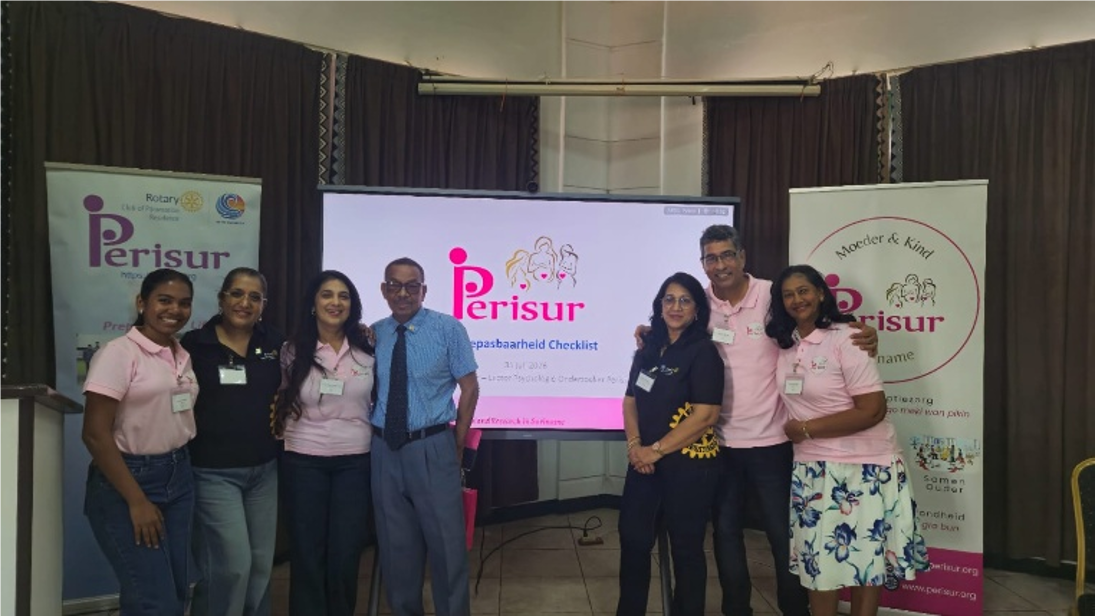
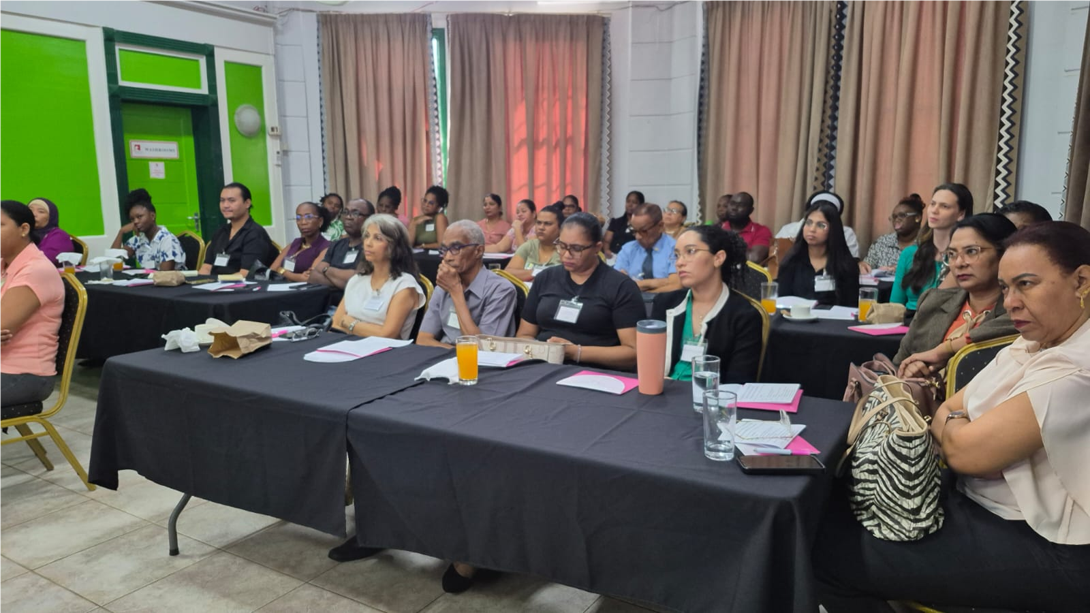
The initiative brings together healthcare professionals, policymakers, and researchers to give greater attention to the mental health of pregnant women and mothers within Suriname’s healthcare system. Fifty-one participants took part in the workshop. This strong turnout demonstrates the importance of this topic among healthcare professionals. During the meeting, it was emphasized that mental health problems during and after pregnancy often go unnoticed, despite their potentially significant impact on the health and well-being of the mother as well as the development of the child. Through early identification and appropriate referral, the organizers aim to contribute to better health outcomes and stronger support for families.
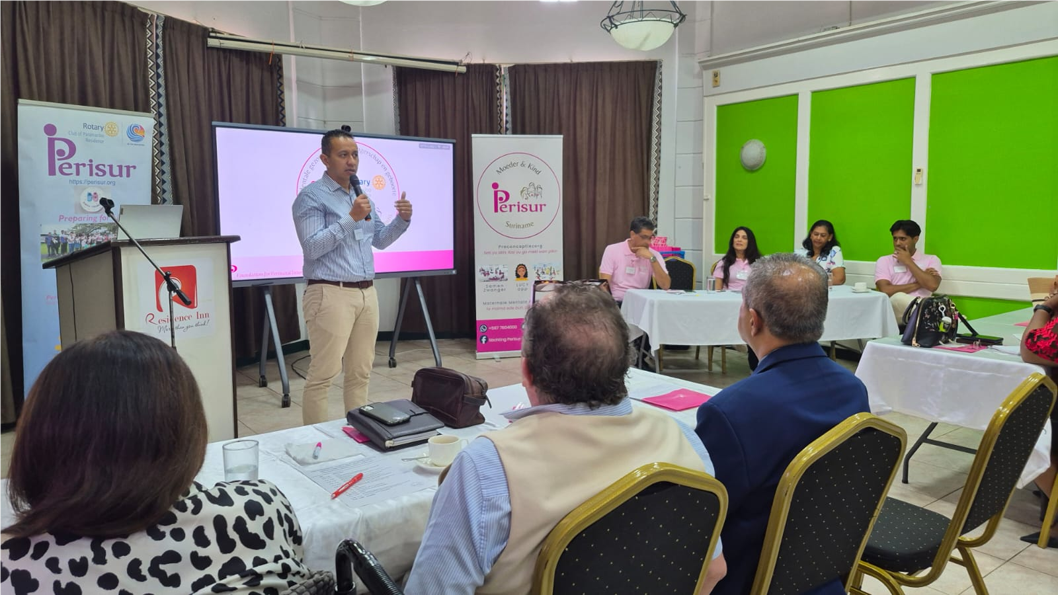
The day began with a welcome address by Timothy Mendonça, President of Rotary Club of Paramaribo Residence, followed by the opening remarks by Dr. Raj Jadnanansing, Under Minister of the Ministry of Health, Labour and Welfare. The Under Minister indicated that approximately 90% of mental health complaints remain untreated. This alarmingly high percentage places considerable pressure on the healthcare system and on society as a whole.
Neuropsychologist Sila Kisoensingh of Kliniek Kiros delivered a presentation on the importance of maternal mental health. She reported that 27.5% of pregnant women experience high levels of stress, while 18–22% experience postpartum depression. This was followed by practical examples presented by Pam Zuurbier, Lecturer in Psychology and researcher at Stichting Perisur, giving participants insight into the challenges faced by mothers and healthcare professionals.
An important part of the program was the introduction of a new Maternal Mental Health Checklist, presented by physician and researcher Simran Mokiem. The checklist is intended to support healthcare professionals in recognizing signs of mental health problems in a timely manner during pregnancy and the postpartum period.
Ashna Hindori-Mohangoo, Lead Researcher at Stichting Perisur, presented the design of a pilot project that will examine the effectiveness of early detection in practice.
Participants subsequently worked in groups on the practical application of the checklist. They also discussed opening questions for confidential conversations with pregnant women, approaches to asking follow-up questions, and ways of building a relationship of trust. The results of the working groups were then discussed in a plenary session, with particular attention to the feasibility and implementation of the checklist within different healthcare institutions.
Participants also shared concrete examples from their own professional practice. These experiences further demonstrated the extent to which maternal mental health problems are encountered in the workplace and highlighted the importance of recognizing these issues at an early stage.
After lunch, the focus shifted to referral procedures for women requiring additional mental health support.
According to the organizers, the meeting represents an important step toward an integrated approach to maternal mental health in Suriname. Through collaboration between government, healthcare institutions, civil society organizations, and researchers, the initiative aims to increase awareness and improve access to appropriate care and support for mothers.
The program concluded with a joint discussion of the next steps and the ambition to implement the developed tools on a larger scale within the healthcare system.
“Investing in the mental health of mothers means investing in the health and future of families and society as a whole,” the organizers stated.